Powering cement production with the sun: what the Kapoeta-Nimule project shows
Project: Kapoeta–Nimule 72 MWp Solar PV & Grid Infrastructure | Client: Upper Nile Cement | Republic of South Sudan | Full EPC delivered by ICCO | USD 98,783,098 | Completed 29 July 2025
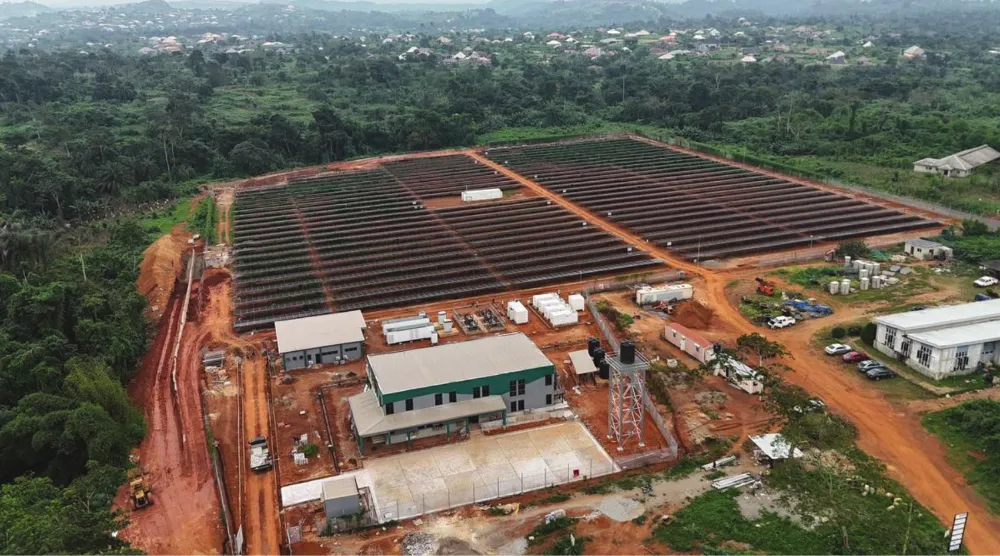
Cement is one of the most energy-intensive industries in the world, and reliable power decides whether a plant can run at all. In July 2025, Upper Nile Cement took delivery of a 72 MWp grid-connected solar plant and its grid infrastructure, built by International Consolidated Contractors Offshore SAL (ICCO).
The project is a useful case study of how heavy industry can secure its own clean power at scale in a frontier market.
The energy problem industry faces
Industrial plants need large amounts of electricity, delivered steadily. Interruptions stop production, damage equipment and waste material already in process.
In South Sudan, grid capacity has long trailed demand, and many industrial users rely on fuel-fired generation to fill the gap. That is costly and exposed to fuel price and logistics risk.
Why solar fits Kapoeta–Nimule
The corridor receives strong, consistent sunshine through the year. Solar generation is highest during the long daylight hours when a cement plant’s processing load runs hard.
Once built, a solar plant has no fuel cost. That gives an industrial owner a predictable energy cost over the life of the asset, which is typically 25 years or more.
Infrastructure is half the project
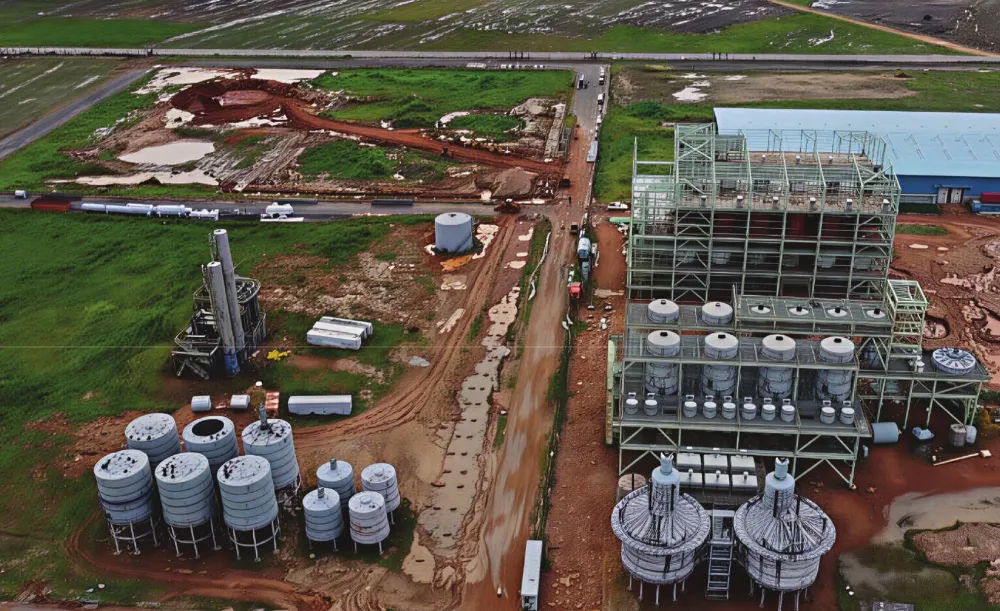
Generating power is only useful if it can be delivered. That is why the Kapoeta–Nimule scope included two substations, about 18 km of double-circuit 132 kV line and about 47 km of 33 kV network.
For industrial clients, this is often the deciding factor. A solar plant without a firm grid connection is a stranded asset. One with purpose-built interconnection is a working power station.
A model that can be repeated
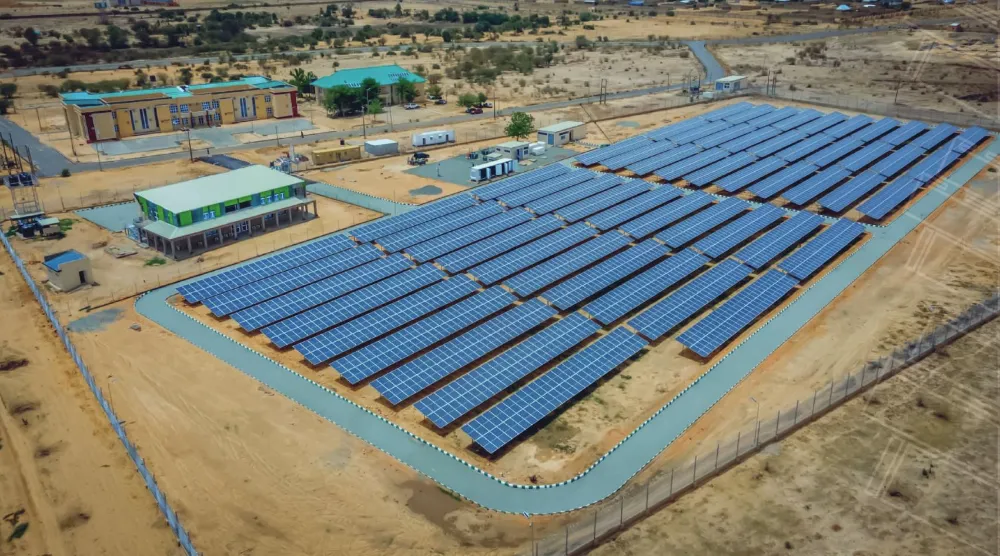
The Kapoeta–Nimule project combined generation and grid infrastructure in a single USD 98.8 million EPC contract, delivered in 18 months. It shows that an industrial owner can move from signed contract to completed plant in a year and a half.
Cement, mining, agro-processing and other energy-intensive sectors face the same pressures. The same approach is open to them.
International Consolidated Contractors Offshore SAL (ICCO) delivered this project as a single EPC contract — design, engineering, procurement, construction, testing and commissioning — through to energization and handover. Throughout this article, the contractor, the delivery partner and the EPC contractor refer to ICCO.


Comments
Post a Comment