From first energization to final handover: commissioning the Kapoeta-Nimule solar and grid project
Project: Kapoeta–Nimule 72 MWp Solar PV & Grid Infrastructure | Republic of South Sudan | Full EPC delivered by ICCO | Completed 29 July 2025
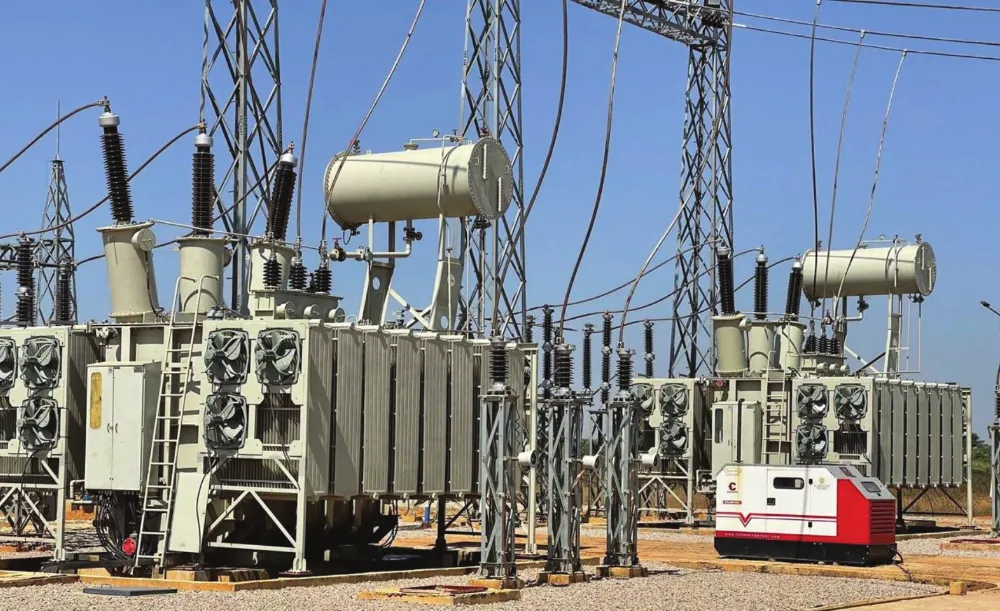
A power plant is not finished when the last panel is installed. It is finished when it has been proven to work safely with the grid.
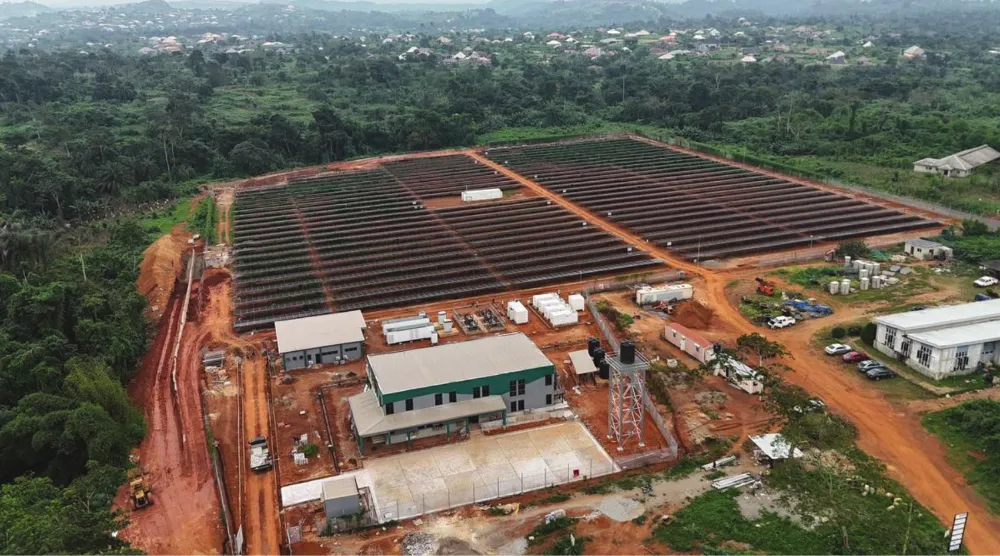
On the Kapoeta–Nimule project, completed by International Consolidated Contractors Offshore SAL (ICCO) on 29 July 2025, that proof covered a 72 MWp solar plant, two substations rated 2 × 100 MVA and 2 × 50 MVA, and about 65 km of transmission and medium-voltage network. This article explains what that final phase involves.
Why commissioning carries so much weight
A plant connected at 220 kV becomes part of the national transmission system. A fault inside the plant can affect other users, and a disturbance on the grid can damage the plant.
Commissioning demonstrates that every protection, control and communication system responds as designed before the plant operates commercially.
The sequence
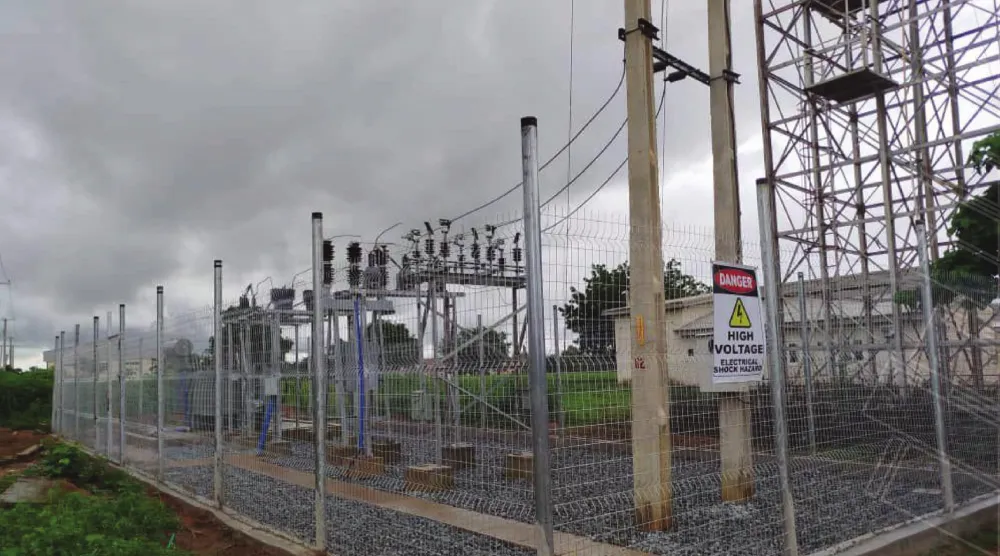
The contract scope lists testing, energization, synchronization, commissioning, performance verification and final handover. On a project of this type, those steps run broadly as follows:
- Pre-commissioning tests. Each item is checked while still de-energized. This includes insulation tests on cables, ratio and winding tests on transformers, and timing tests on circuit breakers.
- Protection and control checks. Relays are tested against their settings. Trip circuits and interlocks are proven end to end.
- Energization. Power is applied in stages from the grid side inward. The 220/132 kV substation comes first, followed by the 132 kV line, the 132/33 kV substation and the 33 kV network.
- Synchronization. Inverters are brought online and matched to grid voltage and frequency. Output is raised in steps while behaviour is monitored.
- SCADA and telecommunications tests. Every signal and command is checked between field equipment, the control room and the grid operator, including the OPGW telecommunications path.
- Performance verification. The plant runs under real conditions to confirm that output and availability meet contract requirements.
- Final handover. As-built drawings, test records, manuals and training are delivered to the owner.
The value of one team
On the Kapoeta–Nimule project, ICCO designed, built and commissioned every part of the system. The engineers who set the protection philosophy were part of the same organisation that tested it.
That continuity shortens fault-finding and gives the client a single point of accountability from first design to final handover.
International Consolidated Contractors Offshore SAL (ICCO) delivered this project as a single EPC contract — design, engineering, procurement, construction, testing and commissioning — through to energization and handover. Throughout this article, the contractor, the delivery partner and the EPC contractor refer to ICCO.


Comments
Post a Comment