Eighteen months, one contract: delivering 72 MWp, two substations and 65 km of lines in South Sudan
Project: Kapoeta–Nimule 72 MWp Solar PV & Grid Infrastructure | Republic of South Sudan | Full EPC delivered by ICCO | USD 98,783,098 | 18 months | Completed 29 July 2025
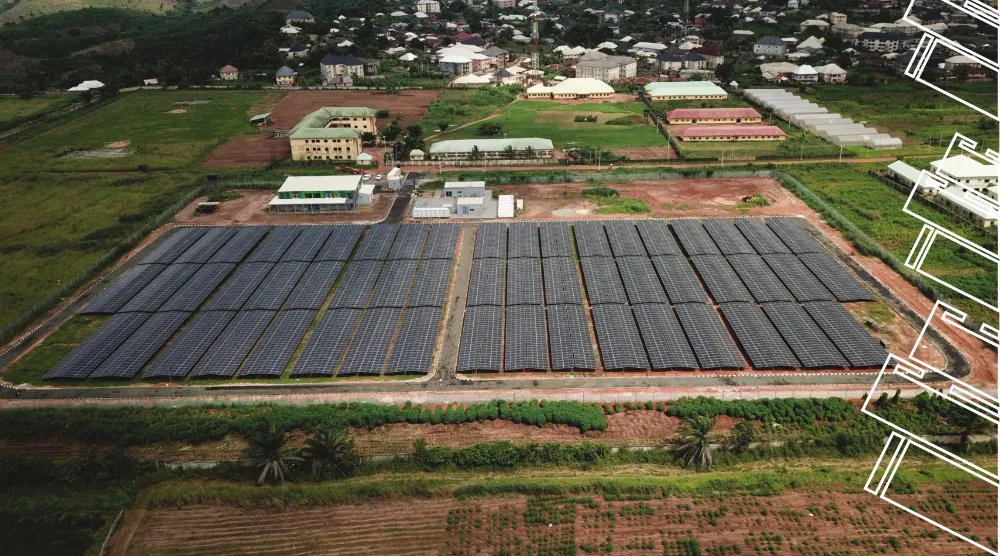
On 29 July 2025, International Consolidated Contractors Offshore SAL (ICCO) completed the 72 MWp Kapoeta–Nimule solar project and its grid infrastructure for Upper Nile Cement. The contract began on 1 February 2024, ran 18 months and was valued at USD 98,783,098.
The headline figure is the solar capacity. The harder task was delivering several interdependent packages of work on one schedule, across two countries’ logistics and in the conditions of South Sudan.
Many packages, one programme
The scope combined work that is often split between several contractors:
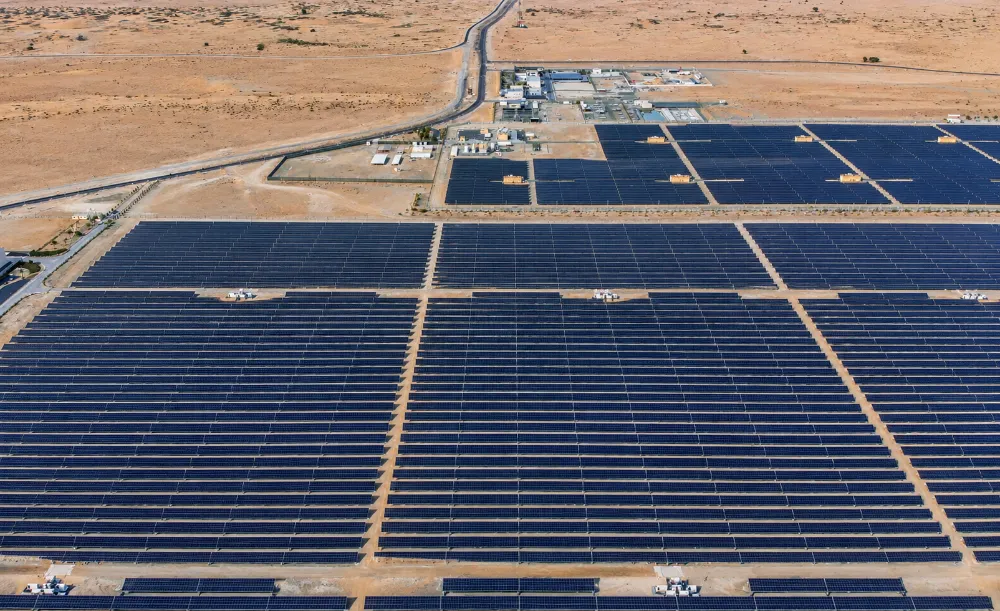
- A 72 MWp grid-connected solar PV plant, including civil and electrical works
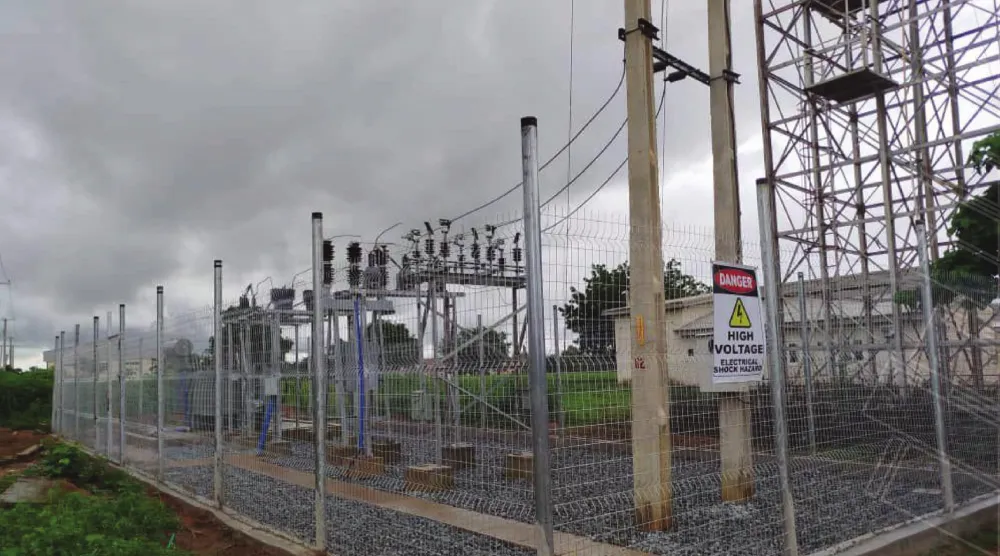
- A 220/132 kV substation rated 2 × 100 MVA
- A 132/33 kV substation rated 2 × 50 MVA
- About 18 km of double-circuit 132 kV overhead line, including OPGW and telecommunications
- About 47 km of 33 kV medium-voltage network and interconnection facilities
- SCADA, protection, control, metering and grid-interconnection systems
Each package depends on the others. The solar plant cannot be tested until the substations are energized. The substations cannot be energized until the lines are complete.
Why single-point responsibility matters
Under a full EPC contract, one party carries the design, procurement, construction and commissioning risk. The client deals with one contractor, one programme and one set of guarantees.
This removes the interface gaps that cause delay on multi-contract projects. When the same team designs the substation and the plant that feeds it, mismatches are found on paper, not on site.
Working in parallel
An 18-month programme for this scope leaves little room for sequential work. Engineering, procurement and construction have to overlap.
Long-lead items set the pace. Power transformers and high-voltage switchgear take many months to manufacture and ship, so they must be specified and ordered early. Civil works then proceed on several fronts while that equipment is in production.
Linear works add their own demands. Transmission and medium-voltage routes stretch across about 65 km in total, which calls for route surveys, access arrangements and crews working well beyond the plant boundary.
Building in South Sudan’s conditions
High temperatures and a wet season shape the works. Extreme heat limits working hours and affects concrete curing, while heavy rains demand careful drainage, access management and scheduling of the most exposed activities.
Logistics are a project in themselves. Moving transformers, switchgear and long-lead equipment to a landlocked site requires planning well ahead of need.
From construction to handover
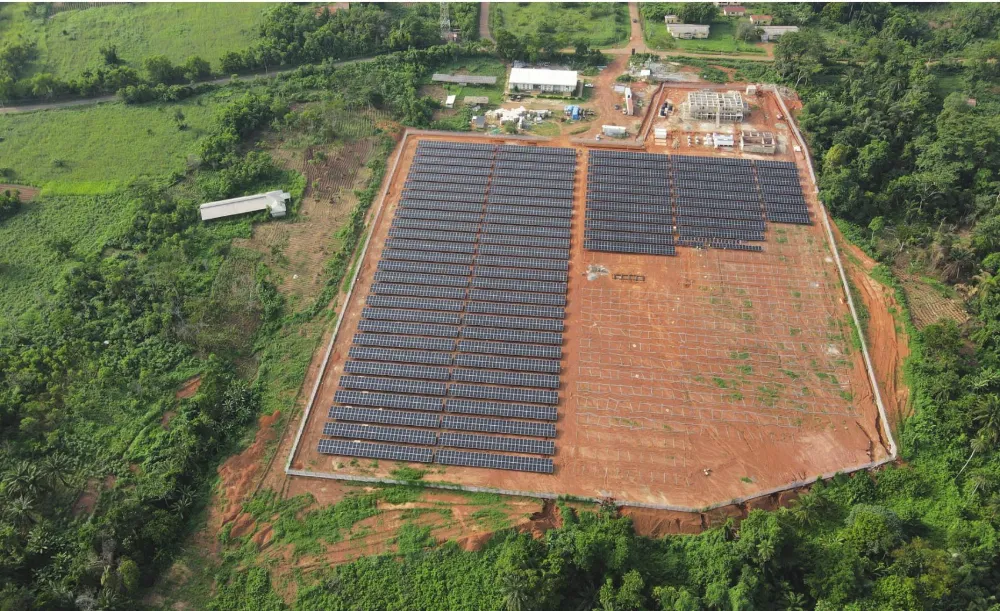
The final stage brought the packages together. Testing, energization, synchronization and performance verification confirmed that the system met its design requirements before final handover to Upper Nile Cement.
For ICCO, the project demonstrates the capability to deliver utility-scale generation and high-voltage infrastructure as one integrated system.
International Consolidated Contractors Offshore SAL (ICCO) delivered this project as a single EPC contract — design, engineering, procurement, construction, testing and commissioning — through to energization and handover. Throughout this article, the contractor, the delivery partner and the EPC contractor refer to ICCO.


Comments
Post a Comment